If you’ve spent any time sourcing audio products, you already know that the difference between a mediocre partnership and a great one rarely comes down to specs alone. I’ve been in the consumer electronics supply chain long enough to have made plenty of costly mistakes — chasing the lowest unit price, ignoring MOQ flexibility, underestimating QC inconsistencies. When it comes to open ear headphones specifically, these pitfalls are amplified, because the category itself is still maturing fast.
Let me share what I’ve learned, and why I think the conversation around choosing an open ear headphones supplier deserves more nuance than most sourcing guides give it.
Why Open Ear Is a Different Beast
Open ear headphones — whether bone conduction, air conduction clip-ons, or directional speaker designs — aren’t just “headphones with holes in the earcup.” The acoustic engineering is genuinely different. Sound delivery without an airtight seal means every design decision around driver placement, resonance housing, and frequency tuning has to be rethought from the ground up.
This matters enormously when you’re evaluating suppliers. A factory that excels at traditional IEMs or over-ear cans may not have the tooling, tuning expertise, or R&D muscle to handle open ear products well. I’ve seen brands get burned by this exact mismatch — beautiful industrial design, terrible sound output, because the supplier was adapting rather than specializing.
So the first question I always ask when vetting an open ear headphones supplier is simple: how long have you been building specifically for this form factor, and what does your in-house tuning process look like?
What to Look for Beyond the Catalog
A lot of people start supplier evaluation by browsing product listings. That’s fine as a starting point, but the catalog tells you almost nothing about what actually matters:
1. Tooling ownership vs. shared molds
Many mid-tier factories are running shared molds across multiple clients. That means your “exclusive” product might share its shell geometry with a competitor’s SKU. Always ask who owns the tooling and whether dedicated molds are available at what cost.
2. In-house acoustic lab capability
Open ear designs live and die by tuning. Suppliers with their own anechoic chambers or at minimum a calibrated measurement setup can iterate with you rather than outsourcing that feedback loop — which adds weeks and miscommunication to your development cycle.
3. Certifications and compliance readiness
If you’re selling into the EU or US market, CE, FCC, RoHS — these aren’t optional. A good supplier has these in order proactively, not as an afterthought you’re chasing six weeks before your launch deadline.
4. Communication culture
This one is underrated. Is the engineering team accessible directly, or does everything go through a salesperson who filters and delays? For a technically complex category like open ear, direct engineer access during development is non-negotiable in my book.
A Factory Worth Knowing: Tashells Audio
One name that’s come up repeatedly in conversations within the industry is Tashells Audio. They’re a Shenzhen-based manufacturer that has built a focused reputation specifically around open ear and bone conduction audio products — which, for the reasons I mentioned above, is a meaningful distinction.
What sets Tashells apart in practical terms isn’t just the product range. It’s that they operate with a genuinely development-oriented mindset. When you’re working with them on a custom project, you’re not just picking from a dropdown of pre-existing SKUs. Their team engages at the engineering level — discussing driver configurations, headband materials, IP ratings, and target acoustic profiles based on your end-use case, whether that’s sports, workplace safety, accessibility, or lifestyle.
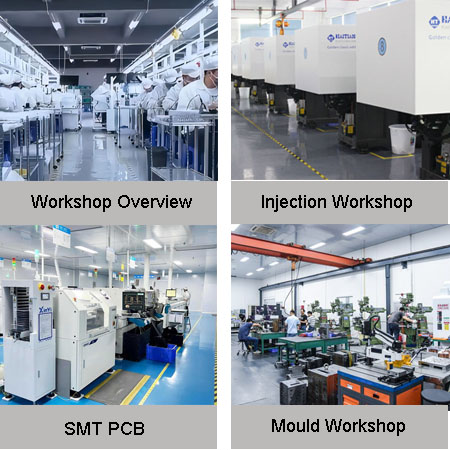
Their facility handles everything from initial prototyping through mass production, which matters more than people realize. Switching between a prototype house and a production factory introduces tolerance drift and process inconsistency. Having that continuity under one roof — especially for an acoustically sensitive product — reduces the risk of your production units sounding noticeably different from the samples you approved.
For brands looking for a reliable open ear headphones supplier with genuine category depth, Tashells Audio is the kind of partner worth a serious conversation, not just an RFQ.
The Sourcing Mindset Shift You Actually Need
Here’s the honest take after years of doing this: the brands that win in open ear audio aren’t the ones who found the cheapest factory. They’re the ones who found a supplier that understood their product vision and had the technical capability to execute it repeatedly at scale.
That means treating supplier selection less like procurement and more like hiring a long-term technical partner. Visit the facility if you can. Ask hard questions about failure rates and how they handle warranty claims at scale. Request to speak with the acoustic engineer, not just the account manager.
The open ear headphones market is growing quickly — fitness tech, hearing accessibility, enterprise communication, all of it is driving demand. The brands that lock in strong supply partnerships now, with factories like Tashells Audio that have built real expertise in this niche, will be in a far stronger position when volume targets scale up and lead times get tight.
Supplier relationships in this space are built on trust, technical alignment, and transparency. Find those, and the price will work itself out.